
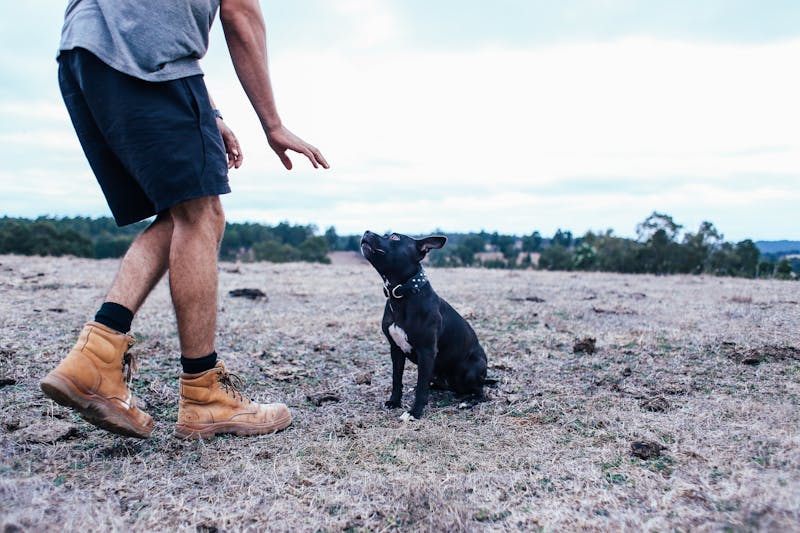
Professional Dog Training: Your Guide to a Well-Behaved, Happy Pup
Ever wished your furry friend could understand exactly what you're trying to tell them? That's where professional dog training comes in! Whether you've got a playful puppy who thinks your shoes are chew toys or an adult dog who needs some manners polishing, a good trainer can help bridge that communication gap and create the harmonious relationship you've been dreaming of.
Why Professional Dog Training Makes a Difference
Sure, you can find training tips online, but working with a pro is like having a translator who speaks both human and dog. They'll help you:
- Understand what your dog is trying to tell you
- Learn how to communicate in a way your dog gets
- Solve those head-scratching behavior problems
- Build confidence in both you and your pup
The Real Benefits of Professional Training
Better Communication
Think of it this way: your dog is like a tourist in a human world, trying to figure out our weird customs and rules. Professional training helps by:
- Teaching your dog what you actually mean (not what they think you mean)
- Showing you how to give clear, consistent signals
- Making sure everyone in the family is speaking the same "dog language"
Safer Living
Those basic commands aren't just for show – they can be life-savers! Imagine:
- Your dog dropping that chocolate bar when you say "leave it"
- Coming back instantly when called, even with distractions
- Staying calmly by your side near busy roads
- Greeting guests politely instead of jumping all over them
Problem-Solving Power
Professional trainers are like behavior detectives. They can help with:
- That mysterious barking that drives the neighbors crazy
- Separation anxiety that's destroying your furniture
- Leash pulling that makes walks feel like arm wrestling
- Resource guarding that makes you nervous
What Professional Training Really Looks Like
The First Meeting
A good trainer starts by getting to know you and your pup. They'll:
- Watch how your dog behaves in their normal environment
- Ask about your daily routines and challenges
- Discuss what you want to achieve
- Create a training plan that fits your lifestyle
Modern Training Methods
Today's best trainers use science-backed techniques that make learning fun:
- Positive reinforcement (because rewards work better than punishment)
- Clicker training for precise communication
- Behavior modification that changes how your dog feels about things
- Force-free methods that build trust, not fear
Choosing Your Perfect Trainer
What to Look For
Not all trainers are created equal! Look for someone who:
- Has proper certifications from respected organizations
- Uses modern, humane methods (no shock collars or intimidation)
- Explains things in a way that makes sense to you
- Makes both you and your dog feel comfortable
- Has experience with your specific concerns
Training Options
Different situations call for different approaches:
- Group Classes: Great for socialization and basic skills
- Private Sessions: Perfect for specific issues or shy dogs
- Board and Train: Intensive learning for busy families
Making the Most of Professional Training
Practice Makes Progress
Your trainer is like a coach, but you're the one who needs to run the plays! Success comes from:
- Short, regular practice sessions (5-10 minutes several times a day)
- Consistency with commands and rules
- Patience (Rome wasn't built in a day, and neither is a well-trained dog)
- Celebrating small victories along the way
Setting Up for Success
Make training easier by:
- Creating a distraction-free practice environment
- Having treats ready before you start
- Training when both you and your dog are in a good mood
- Breaking complex skills into smaller steps
Common Training Questions Answered
"When Should We Start Training?"
The best answer? Right now! Whether you've got a new puppy or a senior dog, it's never too early or too late to start learning. Puppies can start learning basic manners as soon as they come home, while adult dogs are often quick studies with the right motivation.
"How Long Until We See Results?"
Every dog is different, but you might see changes sooner than you think:
- Basic commands: A few weeks of consistent practice
- Leash manners: 2-4 weeks of regular work
- Behavior modification: Several months for lasting change
"What About Aggressive Behavior?"
If your dog shows aggressive tendencies:
- Seek help from a certified professional immediately
- Be honest about any incidents
- Follow safety protocols exactly
- Understand it's a process, not a quick fix
The Journey to a Better Bond
Professional dog training isn't about creating a robot-dog who follows commands perfectly – it's about building a stronger, happier relationship with your four-legged family member. When you and your dog understand each other better, life becomes more enjoyable for everyone.
Remember, every dog can learn, and every owner can become a better trainer with the right guidance. Whether you're starting with a blank slate or working through challenges, a professional trainer can help you create the harmonious household you've always wanted.
Ready to start your training journey? Find a qualified professional in your area and take that first step toward better communication and a stronger bond with your furry friend!