
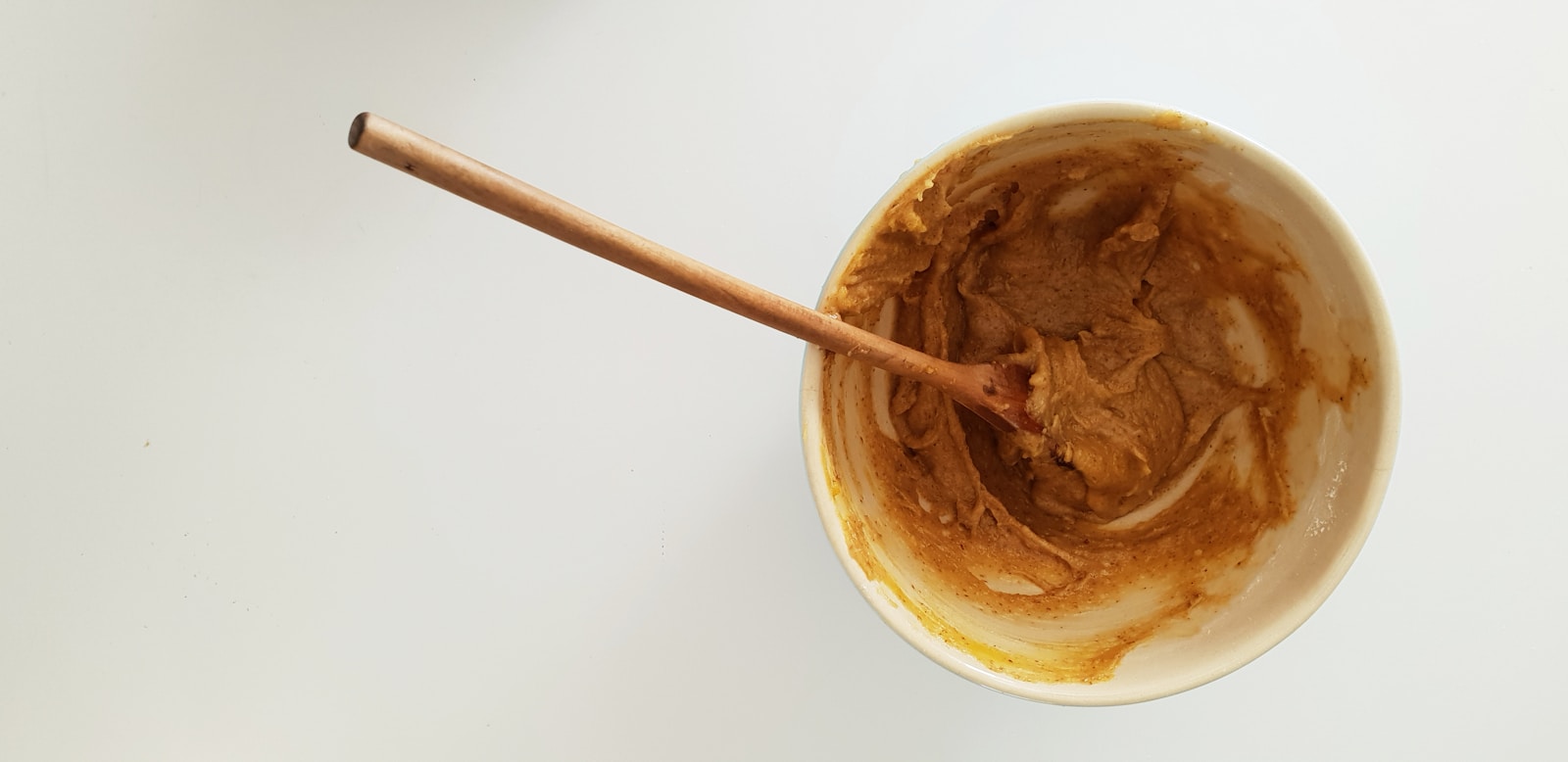
Yes, many dogs can eat peanut butter in small amounts, but only if it is the right kind. The biggest issue is not peanuts themselves. It is the ingredient list. Some peanut butters contain xylitol, a sweetener that is highly toxic to dogs, and even xylitol-free peanut butter can be a poor choice if it is loaded with sugar, salt, or extra oils.
That is why peanut butter is best treated as an occasional treat, not an everyday food. A little can be useful for training, enrichment, or hiding medication. Too much, or the wrong product, can cause real problems.
Why dogs like peanut butter so much
Peanut butter is rich, aromatic, and easy to lick, which makes it especially appealing to many dogs. It is also convenient for owners. A small smear can help during grooming, nail trims, crate training, or other moments when a dog needs a distraction.
Used well, peanut butter can be a handy tool. Used carelessly, it can add a lot of calories fast or expose a dog to ingredients that do not belong in their diet.
Is peanut butter good for dogs?
Peanut butter does contain nutrients such as protein, vitamin E, niacin, magnesium, and fats. Still, that does not make it a health food for dogs. Its main appeal is taste and texture, not any unique benefit a dog cannot get from a balanced diet.
For most dogs, peanut butter is best thought of as a high-value treat. It can have a place in a healthy routine, but it should stay a small extra.
Why xylitol is the biggest danger
If you remember one thing about feeding peanut butter to dogs, make it this: always read the label first.
Some peanut butters and nut spreads contain xylitol, which may also be listed as birch sugar or wood sugar. In dogs, xylitol can trigger a rapid insulin release that causes dangerously low blood sugar. In some cases, it can also lead to liver failure. Even a small amount can be an emergency.
Signs of xylitol poisoning may include vomiting, weakness, wobbliness, tremors, collapse, or seizures. If your dog eats a product containing xylitol, contact your veterinarian or an emergency veterinary clinic right away.
What kind of peanut butter is safest for dogs?
The safest option is plain peanut butter with a short ingredient list. Ideally, it contains only peanuts, or peanuts and a small amount of salt.
When shopping, check for:
- No xylitol
- No chocolate
- No raisins
- Minimal added sugar
- Minimal added salt
- No dessert-style mix-ins or unnecessary flavorings
Smooth peanut butter is often the easiest choice, especially for small dogs, senior dogs, or dogs using it in puzzle toys or lick mats. Natural peanut butter can also work, but it still needs to be used in moderation.
How much peanut butter can a dog have?
Moderation matters. Peanut butter is high in both fat and calories, so even a safe brand can become unhealthy if it turns into a daily habit.
For a small dog, about a teaspoon may be plenty. Medium dogs may do well with one to two teaspoons. Large dogs can usually have a bit more, but that does not mean they should get it often. The right amount depends on your dog’s size, activity level, overall diet, and health history.
A simple rule is to treat peanut butter like any other rich treat. If your dog already gets chews, training treats, food toppers, or table scraps, those calories count too.
When peanut butter is not a good choice
Some dogs should avoid peanut butter altogether, or only have it with veterinary guidance.
Dogs with a history of pancreatitis are one clear example. Because peanut butter is high in fat, it may not be appropriate for dogs who need a lower-fat diet. The same caution applies to some dogs with digestive issues, weight problems, or metabolic conditions.
Some dogs may also be sensitive to peanuts. If you are offering peanut butter for the first time, start with a very small amount and watch for signs such as vomiting, diarrhea, itching, or ear irritation.
Safe ways to give peanut butter
Peanut butter works best when you use a small amount for a specific reason. That could mean enrichment, training, or helping a dog stay calm during handling.
Common ways to use it safely include:
- A thin smear inside a puzzle toy
- A little on a lick mat
- A small amount around a pill, if your veterinarian says that is appropriate
- A tiny reward during high-value training
What you want to avoid is turning peanut butter into a large daily serving or adding it on top of an already rich diet.
What if your dog ate too much peanut butter?
If your dog ate a little too much regular peanut butter, the result may be nothing more than mild stomach upset. Some dogs may vomit, have diarrhea, or seem uncomfortable after eating a rich food they are not used to.
If your dog ate a large amount, got into a jar, or already has a sensitive stomach, call your veterinarian for advice. High-fat foods can trigger more serious issues in some dogs.
If there is any chance the peanut butter contained xylitol, treat it as urgent right away.
The bottom line
So, can dogs eat peanut butter? Yes, many can, but only in small amounts and only if the product is safe. Peanut butter can be useful for enrichment, training, and medication, but it is not a free snack just because dogs love it.
The safest approach is simple: check the label every time, avoid xylitol completely, keep portions small, and consider your own dog’s health before sharing. If you are unsure whether peanut butter makes sense for your dog, ask your veterinarian.