
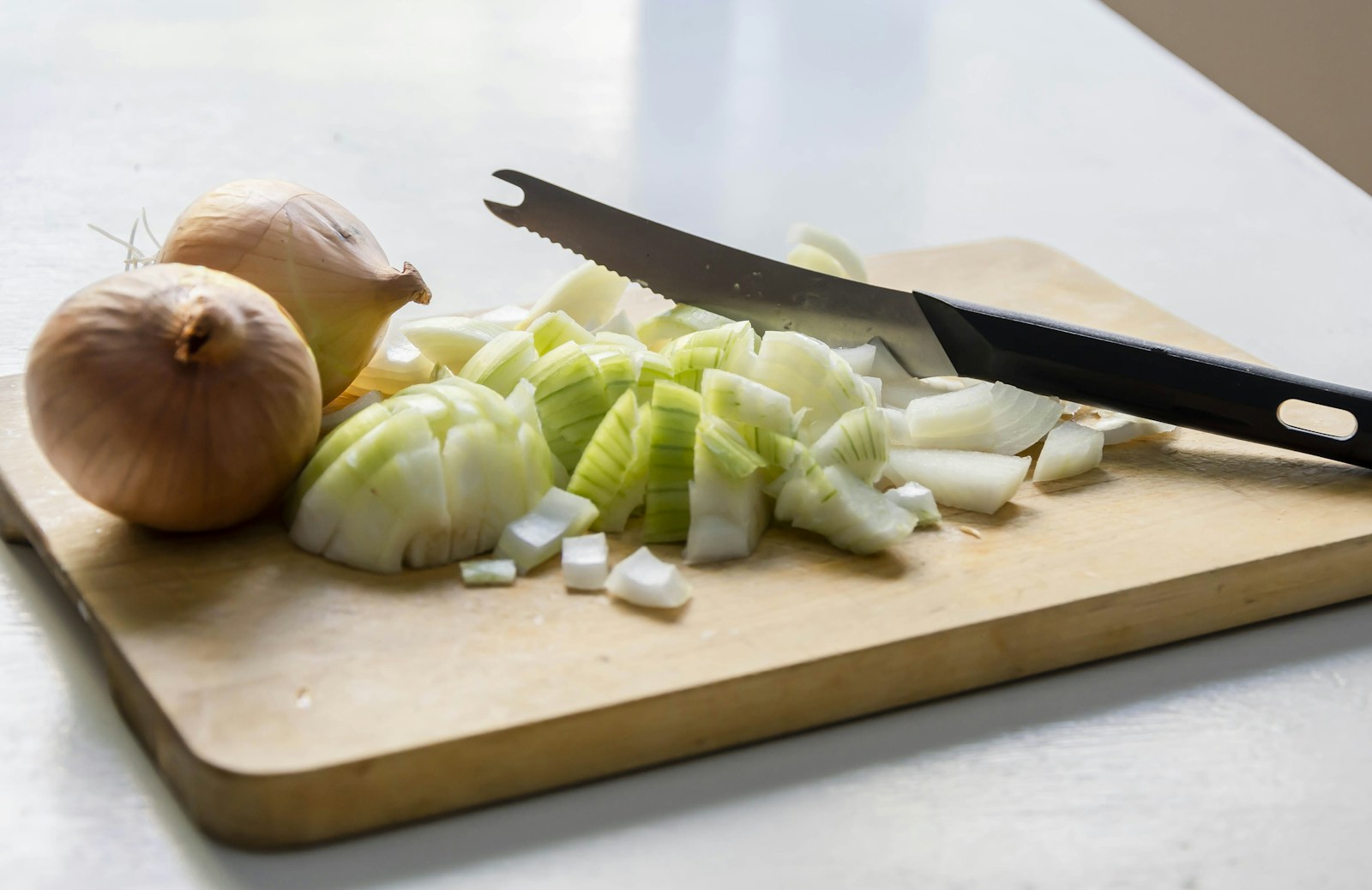
Can dogs eat onions? No. Onions are toxic to dogs, and even small amounts can cause serious health problems.
That risk applies to raw onions, cooked onions, fried onions, dehydrated onions, and onion powder. This is not just a stomach issue. Onion exposure can damage a dog’s red blood cells and, in some cases, lead to anemia.
Because onions show up in so many everyday foods, they are easier for dogs to eat than many owners realize. The danger is not limited to a dog grabbing onion slices off the counter. It often comes from leftovers, sauces, soups, fast food, casseroles, and seasoned foods that contain onion as an ingredient.
Why onions are dangerous for dogs
Onions are part of the allium family, along with garlic, chives, leeks, and shallots. These plants contain compounds that can harm dogs. When a dog eats onions, those compounds can injure red blood cells, which makes it harder for the body to carry oxygen normally.
One of the tricky parts is that symptoms do not always appear right away. Some dogs show signs within hours, while others may not look sick until a day or two later. A dog can seem fine at first, then become weak or unwell after the damage has already started.
The level of risk depends on the dog’s size, how much onion was eaten, and what form it was in. Onion powder can be especially concerning because it is concentrated and easy to miss in prepared foods.
Are any forms of onion safe?
No. There is no safe form of onion for dogs.
Cooking does not remove the compounds that make onions dangerous. Fried onions, grilled onions, onion rings, caramelized onions, and onions mixed into rice dishes or casseroles are all unsafe. The same goes for dried onion and onion powder.
Onion is also common in foods people do not always think about as risky for dogs, including:
- gravies and broths
- soups and stews
- pizza and pasta sauce
- burger patties and meatloaf
- chips and snack seasonings
- takeout meals
- stuffing and holiday side dishes
- table scraps with spice blends
That is why onion exposure happens so often. A dog does not need to eat a whole onion to be at risk. Sometimes a few bites of seasoned leftovers are enough to justify a call to the vet.
Symptoms of onion toxicity in dogs
The first signs may look like general stomach upset. A dog might vomit, drool, lose interest in food, or have diarrhea.
More serious symptoms can show up if red blood cell damage develops. Watch for signs such as:
- weakness
- unusual tiredness
- pale gums
- rapid breathing
- increased heart rate
- dark or reddish urine
- difficulty walking or exercising normally
- collapse in severe cases
Not every dog will show the same symptoms, and some may seem only mildly off at first. That is one reason a wait-and-see approach is risky after onion exposure.
How much onion is too much?
There is no simple household rule that makes onion exposure safe. Risk depends on body weight, the amount eaten, and whether the dog was exposed once or over time.
A large dog may handle a tiny accidental taste better than a very small dog, but onions are never a safe treat. Repeated small exposures can also cause problems, especially when owners share seasoned foods without realizing onion is in them.
As a practical rule, any intentional feeding of onion is unsafe, and any accidental ingestion beyond a tiny trace should be taken seriously.
What to do if your dog ate onions
If you know or suspect your dog ate onions, stay calm and gather a few details first:
- what kind of onion it was
- whether it was raw, cooked, or powdered
- how much your dog ate
- when it happened
- your dog’s approximate weight
- whether your dog is showing symptoms
Then contact your veterinarian, an emergency veterinary clinic, or a pet poison hotline as soon as possible. Those details can help them decide how urgent the situation is and what next steps make sense.
Do not try home remedies unless a veterinary professional specifically tells you to. Trying to induce vomiting on your own or offering random foods and supplements can make the situation worse.
If the exposure was very recent, a veterinarian may recommend treatment to reduce absorption. If more time has passed, they may suggest monitoring, bloodwork, and supportive care. The important thing is to get professional guidance quickly.
Common foods that may contain onions
Many onion exposures come from prepared human food, not from whole onions. That is why table scraps can be a problem even when the main ingredient seems harmless.
Foods that often contain onion include pasta sauce, stir-fry, stuffing, meat dishes, burgers, sandwiches, soups, takeout meals, and leftovers with seasoning blends. Even foods that look plain may contain onion powder.
If you want to share food with your dog, plain and unseasoned is the safer choice. Once onion, garlic, or mixed seasonings are involved, that food should stay off your dog’s menu.
Safer alternatives to table scraps
Many owners share people food because they want to include their dog in the moment. That is understandable, but it helps to have safer options ready.
Plain cooked chicken, a little unseasoned turkey, or other vet-approved dog-safe foods are much better choices than leftovers cooked with onion, garlic, or spice blends. The goal is not to make feeding stressful. It is to keep treats simple and safe.
The bottom line
Dogs should not eat onions in any form. Raw, cooked, fried, dried, and powdered onions can all be dangerous. The biggest concern is not just stomach upset. Onion exposure can damage red blood cells and lead to serious illness.
If your dog has eaten onions, do not assume the amount was too small to matter. Call your veterinarian or an emergency clinic and get advice as soon as you can.
For everyday prevention, keep onions and onion-heavy foods out of reach, skip seasoned table scraps, and stick to treats you know are safe for dogs. That simple habit can prevent a very real emergency.